
SCOTTISH MOUNTAIN CENTRES: A POSITIVE START TO THE WINTER
For those who have experienced a few decades of Scottish winters, it is clear that our weather patterns are becoming increasingly complex and unpredictable.
Scotland can shift from a temperate Atlantic maritime airflow one day to a bitter arctic blast the next. Add frontal temperature swings, variable precipitation, high winds, and the growing influence of climate change, and snow forecasting becomes a challenging puzzle.
Against this backdrop, early pre-Christmas snowfall is always welcome. It was encouraging to see ski tourers and splitboarders making the most of early conditions this winter, sharing footage that captured both the excitement and resilience of our snowsports community.
So far, this winter has made a positive start for most of Scotland’s mountain centres.
Cairngorm Mountain has enjoyed one of its strongest early seasons in many years, with increased snow cover and multiple high-capacity ticket days. Alongside the return of an operational funicular and the leadership of CEO Mike Gifford, the centre is developing a renewed organisational culture, stronger community relationships, and a clear focus on diversity and long-term business resilience. These foundations are critical in ensuring a sustainable future for the mountain.
In the West, Glencoe Mountain has demonstrated impressive adaptability. Despite limited natural snowfall for piste skiing, cold temperatures enabled effective snowmaking, supporting busy sledging areas and beginner lessons throughout the festive period. This ability to generate revenue during marginal conditions strengthens the centre’s resilience during lean snow periods and positions it well to capitalise when major snowfall arrives. With strong year-round visitor numbers and plans for a new gondola currently with the Scottish Government for funding consideration, this resourceful centre, led by Managing Director Andy Meldrum, continues to move from strength to strength.
At The Lecht, early January brought a significant snowfall, with depths approaching 80cm on upper runs. Managing Director Iain Dupon reports business as buoyant, and the new snow factory will assure season-long cover for the lower runs. Alongside this, summer mountain biking and diversification projects are progressing well, reinforcing the centre’s commitment to sustainability and long-term viability.
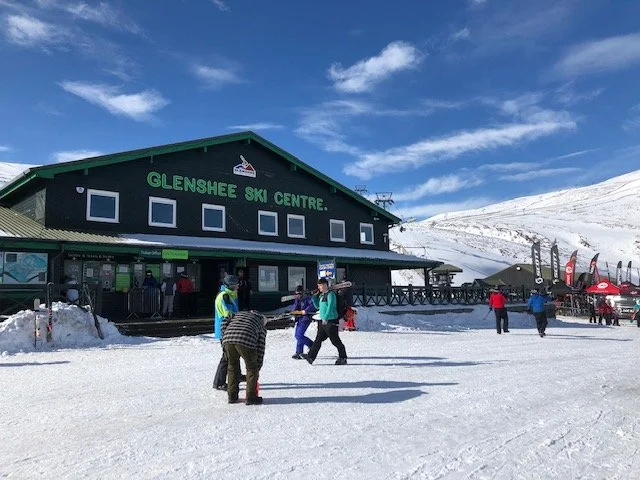
Glenshee has also enjoyed a good early season, with up to ten lifts operating and peak days seeing around 1,500 tickets sold. While recent rainfall has affected conditions, forecasts at the time of writing suggest a return to colder weather, with Glenshee well positioned to benefit. As ever, fingers remain crossed.
Finally, Nevis Range continues to work towards reopening. Recent meetings with Managing Director John Sutherland have confirmed that over £100,000 has already been invested in uplift and infrastructure maintenance. Plans are also in development to establish a working partnership with a local community group, supporting efforts to bring the mountain back into operation in early February.
Since the Covid pandemic, Scotland’s mountain centres have faced sustained challenges. However, the early-season momentum in 2026, combined with diversification strategies, infrastructure investment, and a renewed focus on sustainability, gives genuine cause for optimism.
The future of Scottish snowsports facilities now feels brighter than it has for some time.